What soroche is
According to the Ministry of Health, soroche is not an illness in itself: it is the body's response to the lower oxygen pressure of the atmosphere. Minsa advises precautions above 2,500 meters. Reactions are usually normal during the first two or three days of acclimatization, and in some cases they can become complicated.
What Minsa recommends on arrival
On arriving at a high-altitude destination, Minsa asks for complete rest for the first hours and to avoid intense physical effort right away. These are its main guidelines.
- Drink plenty of fluids and eat light
- Do not take acetazolamide without a doctor's prescription
- Use a common painkiller, such as ibuprofen, only for mild headaches
- With hypertension or arrhythmias, travel with your full medication and a recent medical check-up
- Watch children closely: they may show soroche only through persistent crying
When to seek care
If after resting and taking painkillers you still have nausea, severe headache or shortness of breath, Minsa says to go to the nearest health center. For severe discomfort that does not ease with rest, the specialist cited by Minsa says the most effective measure is to go back down to lower areas right away. Consult your doctor before you travel.
How to plan the itinerary
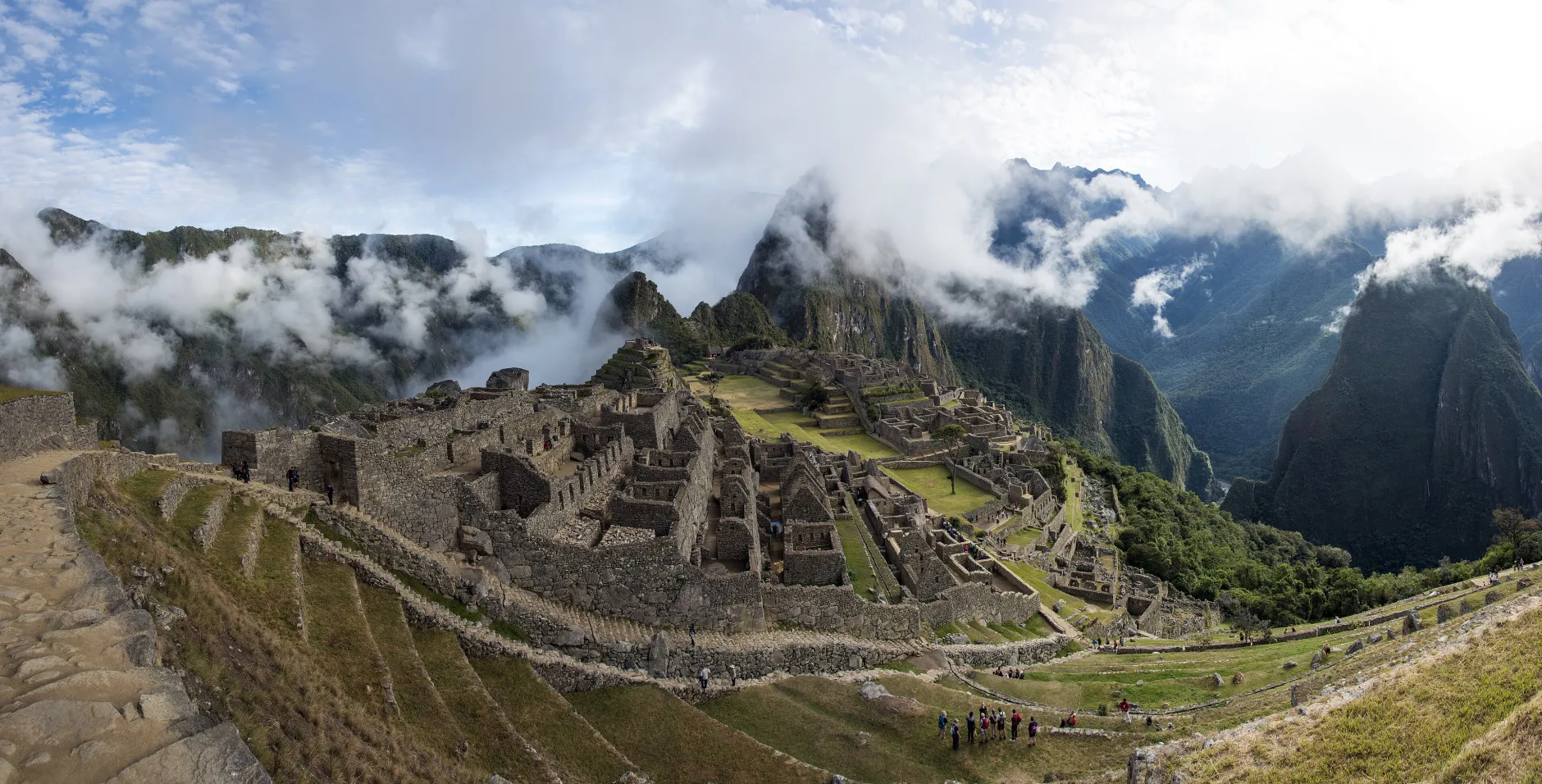
Leave the quietest things for the first days, such as central Cusco, and keep the long outings for later. The Humantay Lake excursion includes emergency oxygen and a first aid kit according to the tour listing, and it is a 13-hour day. The Machu Picchu one from Cusco takes 14 to 18 hours. Neither suits the day of arrival.